

From
Admin desk
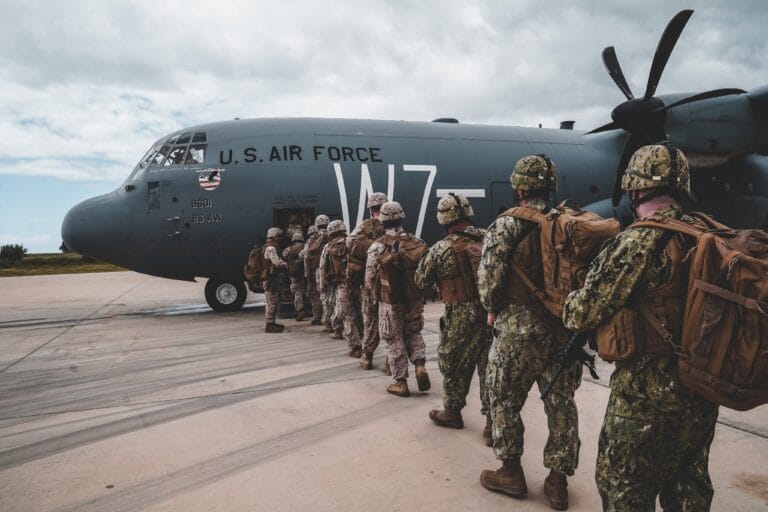
The Pentagon is set to withdraw roughly 200 American troops from Nigeria who were sent earlier this year to support operations against Islamist militants, according to a report by the New York Times.
US and Nigerian officials told the publication the small deployment had delivered significant impact despite its size.
A limited number of US trainers and intelligence analysts will stay behind after the main group departs by late September, military officials told the NYT on Thursday. US officials also described the Nigeria mission as a potential model for future US operations in Africa.
Last month, Gen. Dagvin Anderson, commander of US Africa Command, AFRICOM, said many US personnel had already been pulled back following a May strike that killed Abu-Bilal al-Minuki, the deputy leader of ISIS in the Lake Chad Basin.
Anderson said the operation dealt a major blow to ISIS leadership in Nigeria and worldwide. He added that Nigerian forces have been “very active” since then, targeting the group’s ability to sustain itself.
He stressed that the US would continue its intelligence-sharing partnership with Nigeria.
The withdrawal comes weeks after Washington and Abuja held a second round of discussions under a joint working group focused on protecting Christian communities in Nigeria’s Middle Belt.
The group was created after former President Donald Trump placed Nigeria on the “Country of Particular Concern” list over claims of violence against Christians, a move that preceded increased US military engagement.
Despite the operation, insecurity in Nigeria remains high.
Nigerian authorities have rejected the idea that the violence has one root cause, saying the crisis is complex.
Ladd Serwat, senior Africa analyst at ACLED, told TheCable that Islamist militant groups account for “only a small proportion of the overall violence.”
According to Serwat, security challenges in Nigeria include spillover terrorism from Sahelian countries, banditry in the northwest, groups like ISWAP, ISIS and Boko Haram, clashes between farmers and herders, as well as cults and militias.
He called it “a very complicated security situation.”
